
Motion Decoys Explained: What Makes Ducks Commit to a Spread?
There are mornings when you can get away with a dozen decoys sitting dead still on the water. A little wind puts a chop on the pond, the blocks bob around on their own, and everything looks right.
Then there are those mornings when the water looks like a sheet of glass.
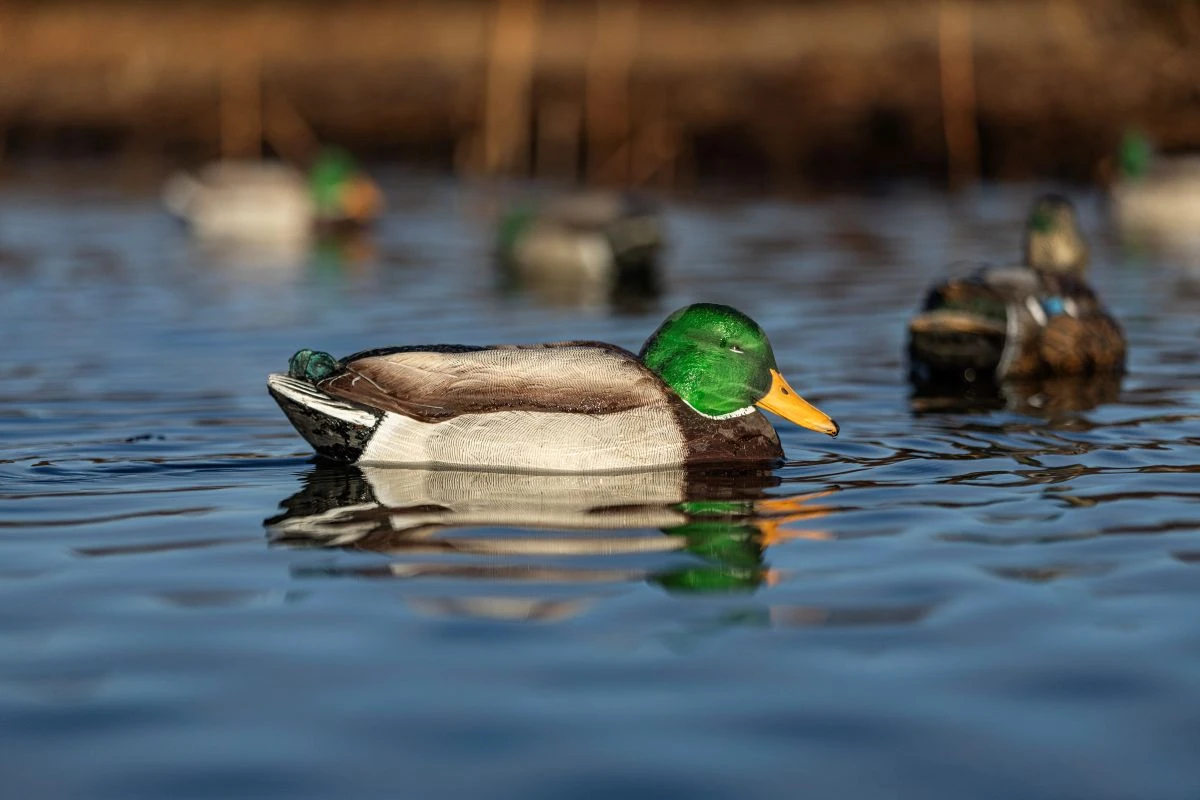
Those are the days when a spread can look fake in a hurry. Real ducks rarely sit perfectly still. They swim, tip up, preen, stretch, splash and constantly make little ripples across the water. That is why motion duck decoys have become such an important part of the way I build a spread.
But here is the part I think gets missed: more motion is not always better. The goal is not to turn the hole into a circus. The goal is to make ducks overhead see something that looks alive.
Motion Gets Their Attention
A spinning wing duck decoy is probably the easiest example. I think of a spinner as more of an attention getter than a finishing decoy. That flash can be seen from a long way off, especially on a bright morning. A duck sliding along the edge of a marsh may never notice a quiet little spread tucked into the corner. A spinner gives it something to catch its eye.
That is where something like the Avian-X PowerFlight Mallard fits into my spread. I am not putting it out because I think a mallard at 20 yards is studying every feather on it. I want that wing flash to pull his eyes toward the hole.
Once the birds see you, though, the game changes.
Early in the season I may let a spinner run more. Later, when birds have been hunted hard, I am much quicker to shut it off when a flock starts working. That little adjustment is one of the easiest waterfowl hunting tips I can give somebody who has ducks circling but never finishing.
Make the Water Look Alive
If spinning wings help ducks find you, water movement helps convince them to stay. Watch a group of relaxed mallards sometime. One bird paddles a few feet while another preens. A hen swims past the group and little wakes bump into other ducks, suddenly half the flock is moving.
That is realistic decoy movement.
On calm mornings, I like adding something that actually disturbs the surface. The Avian-X Power Shaker is a good example because the movement is subtle. It creates ripples around the decoy, and those ripples help move the ordinary floaters around it. From a distance, nobody notices one decoy shaking. What they notice is that the whole group does not look dead.
The Avian-X Power Swimmer accomplishes the same thing differently. A swimming decoy creates a wake and puts movement through part of the spread. Mixed with stationary floaters, that duck decoy motion looks a lot closer to what you see when live birds are loafing on a pond.
Feeding Motion Tells a Different Story
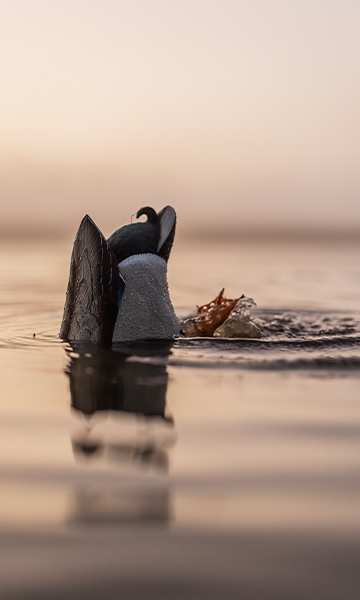
I also like feeding activity when ducks are looking for company and food. A feeder butt kicking water does something different than a spinner. It may not grab a duck from half a mile away, but it helps sell the scene once the bird is already interested.
The Avian-X Power Butt Kicker fits that role well. The kicking action creates splashes and wakes around a feeding-style decoy. I like this kind of motion mixed into the main body of the spread. Put it near a few relaxed feeders and suddenly there is a reason for birds in the air to believe the ducks below are comfortable and finding something worth eating.
This is really what decoy effectiveness comes down to. Every decoy should help tell the same story.
Don't Put All Your Motion in One Spot
One mistake I see hunters make is piling every moving decoy right in the landing hole.
I would rather spread motion around. Maybe the spinning wing sits toward the upwind side where birds can see it. A shaker or swimmer can work in the main group. A feeding motion decoy can sit off to one side. Most of the time, I still want the actual landing pocket fairly clean.
Ducks need somewhere obvious to go. If the hole is packed with spinning wings, splashing water and moving decoys, you can make the safest-looking place to land the least inviting part of the spread.
Let the Conditions Decide
The biggest lesson I have learned with motion duck decoys is that there is no one setup that works every day. A windy morning may already give your floaters all the movement they need. A dead-calm morning might call for several sources of water movement. Early-season birds may dive on a spinner. Late-season mallards might finish better after you shut it down.
Pay attention to what the ducks tell you.
If they flare at 60 yards, change something. If they circle three times and slide off, tone the motion down. If they barely look at the spread, add visibility or movement. Don't get so married to the setup you built before daylight that you refuse to change it.
The Best Motion Looks Natural
At the end of the day, motion decoys aren't magic. They're another tool.
A spinning wing duck decoy can help birds find the spread. A swimmer can break up dead water. A shaker can put subtle ripples through a group of floaters, and a feeding decoy can make the setup look comfortable and active. The trick is knowing when to use each one.
Next time you're sitting there on a calm morning wondering why ducks keep looking but won't commit, don't automatically add six more decoys. Look at the water first. If your spread looks like a bunch of plastic ducks sitting perfectly still, the answer might not be more decoys at all.
It might just need a little life.